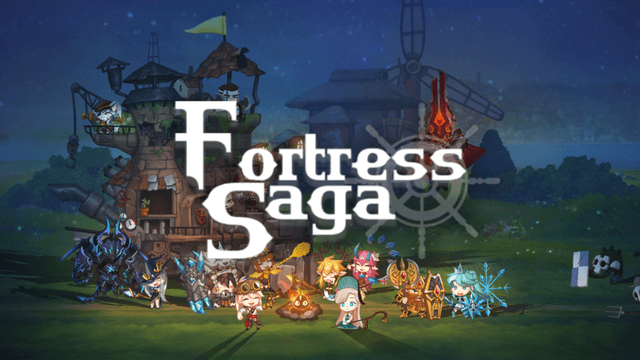
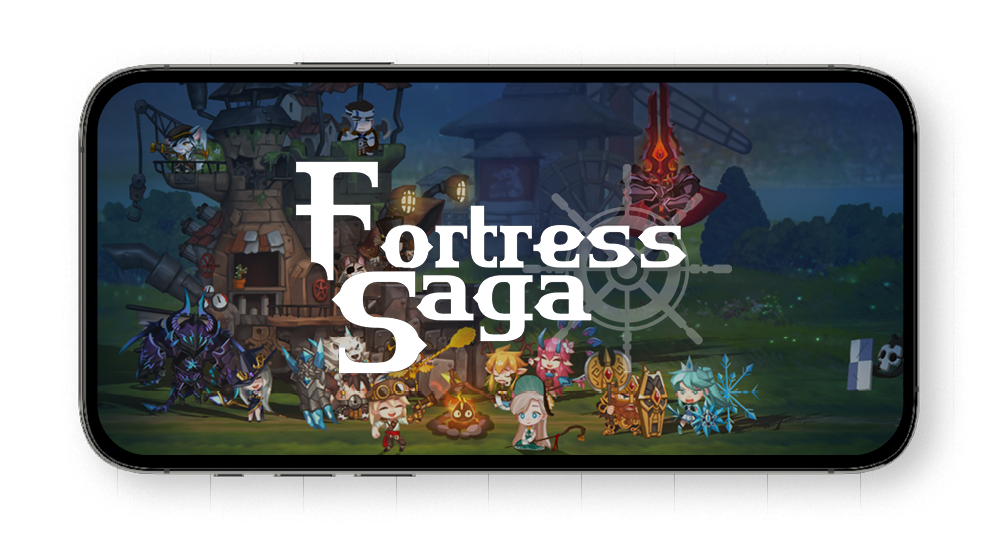
<Fortress Saga> is an idle RPG game focused on raising 'Fortresses' and 'Heroes' that hard-launched in the second half of 2023. As with many games, the process of creating <Fortress Saga> was not easy. Most of the numerous attempts made during the production and operation phases ended in failure. I would like to share in detail the various twists and turns our team experienced while creating <Fortress Saga>.
Combining various ingredients
<Fortress Saga> During the early planning stages, I was deeply impressed by a GDC session that explained how the game 'Marvel Snap' was designed. Ben Brode, who conducted the session, likened game development to 'cooking,' describing it as 'the act of creating a new dish by appropriately selecting various ingredients available on the market,' and emphasized that 'differentiation elements must be added after completing the dish through the combination of various ingredients.'
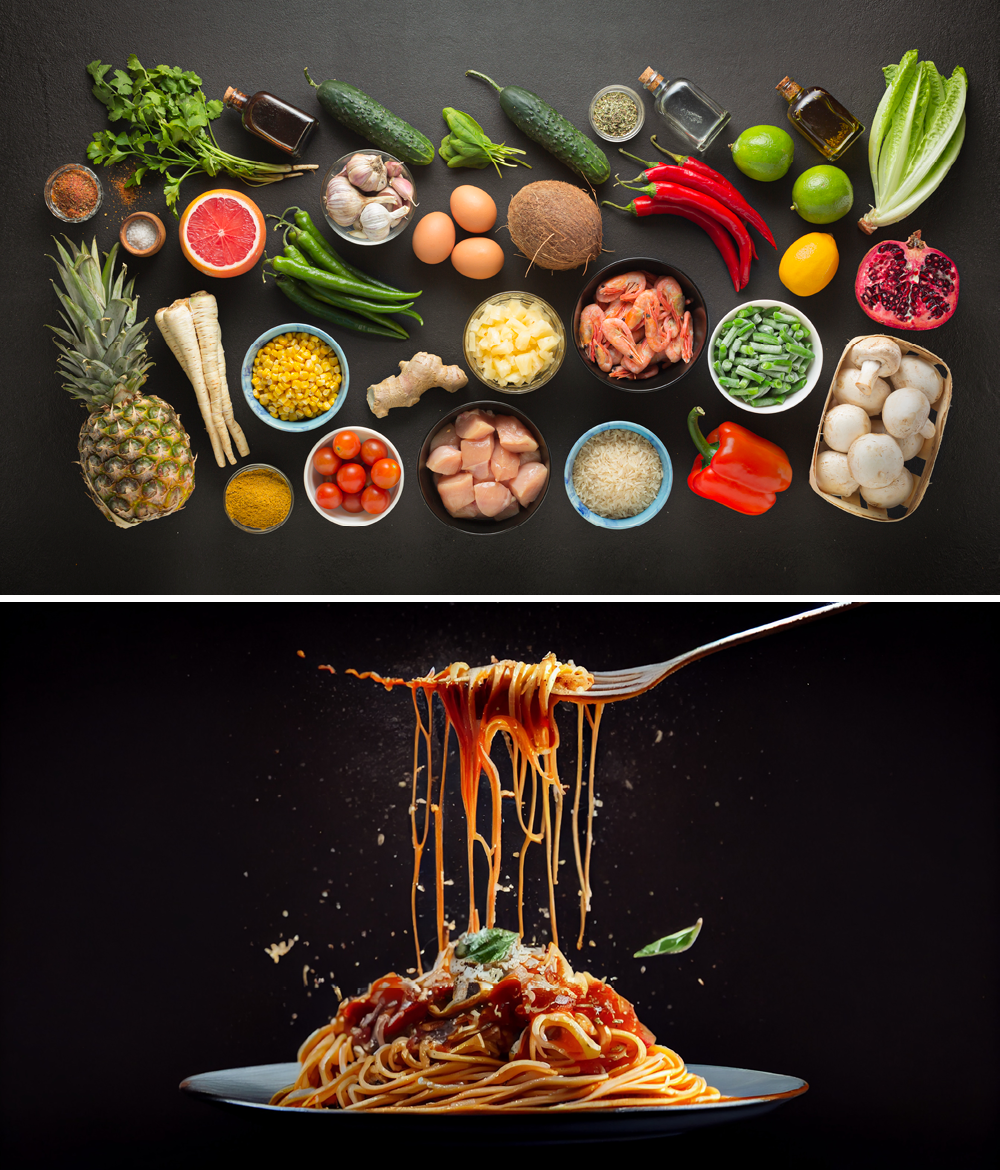
Game development = Cooking the best food with the right ingredients
Referring to this session, we decided to create a new game by combining content and resources already in the market. What were the ingredients of <Fortress Saga>? The ingredients we combined were 'defense,' 'combination,' and 'character collection.' On top of that, for visual freshness We decided to add visual elements inspired by *Howl's Moving Castle* as a differentiating point. Thus, the concept for * Fortress Saga * was established as an "idle game where you build a fortress and collect characters," and we entered an in-house game jam with five team members to create an initial prototype.
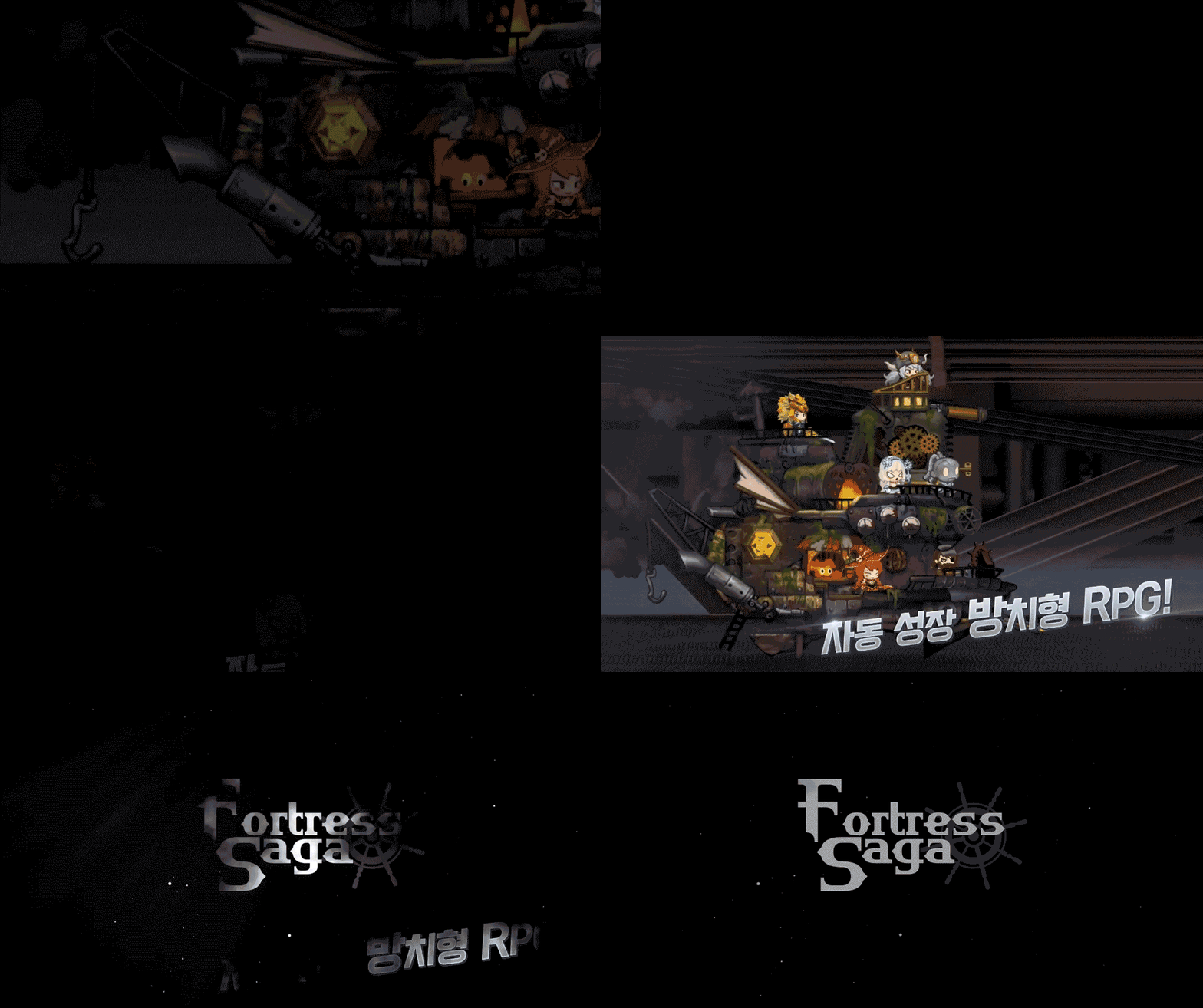
In-house Game Jam Version of <Fortress Saga>
Successful test results, but…
The marketing results from the game jam test were very positive. Our intentions had paid off. Convinced that we had created our own unique edge in the existing idle game market, we decided to standardize the game. However, contrary to our hopes, there were too many hurdles to overcome for a full-scale project. Although we had created a simple idle RPG, standardizing it required a vast amount of content as well as sophisticated interfaces and systems. The game we made was a sailboat, but we had to turn it into a cruise ship.
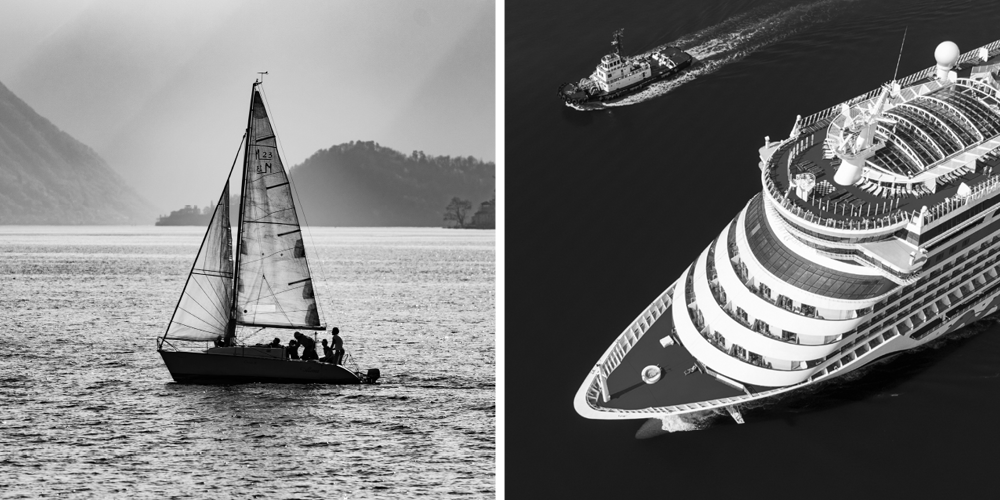
Prototype vs. Launch Target
So, our team worked hard to turn the sailboat into a cruise ship, but we couldn't create a proper build for half a year. The game had too much to say and was generally sloppy, and it was unclear what the 'core fun' was.
Reorganization of the core loop
Since we couldn't launch the game as it was, the entire team frequently gathered to redefine what constituted 'core fun.' That is how we derived the core loop of <Fortress Saga> as 'Reward → Growth → Breakthrough.' After that, we set aside the various ideas that emerged during numerous meetings and established our production direction centered on the core loop we had defined. Although many ideas were generated during this process, we tried to focus as much as possible on the 'essence.' This direction was crucial to the production process, as if I, as the Product Owner, wavered in the direction, the team members would waver even more.
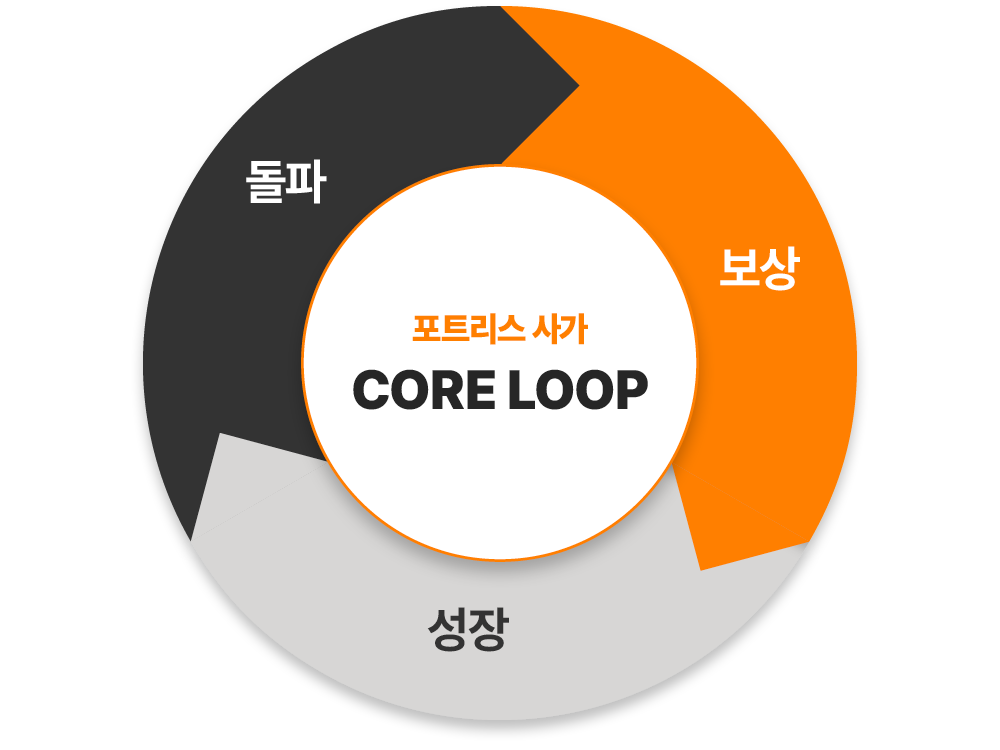
The core loop of <Fortress Saga>
After overhauling the core loop, we redesigned the overall game balance to enhance the fun. Since the perceived difficulty of a game varies from person to person, we conducted balancing based on user data. To collect more accurate user data, we implemented various events and verified the data through in-house FGTs.
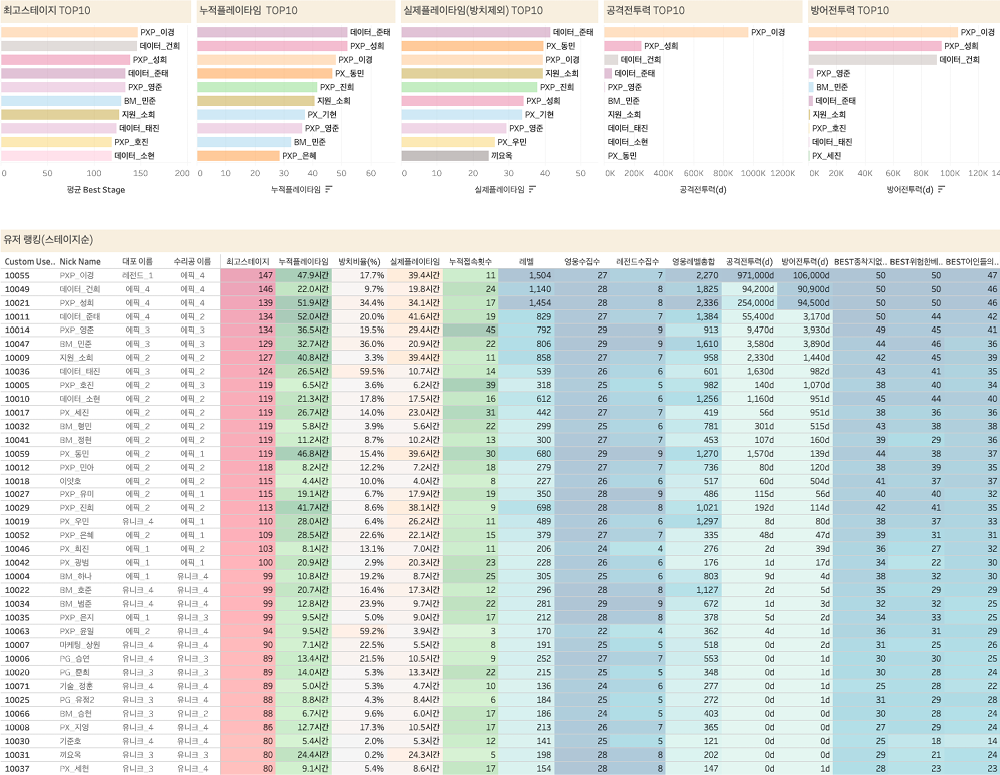
In-house FGT data
The story continues in Part 2.
This text is a reproduction of the original article from CookApps Story. View Original